
Table of Contents
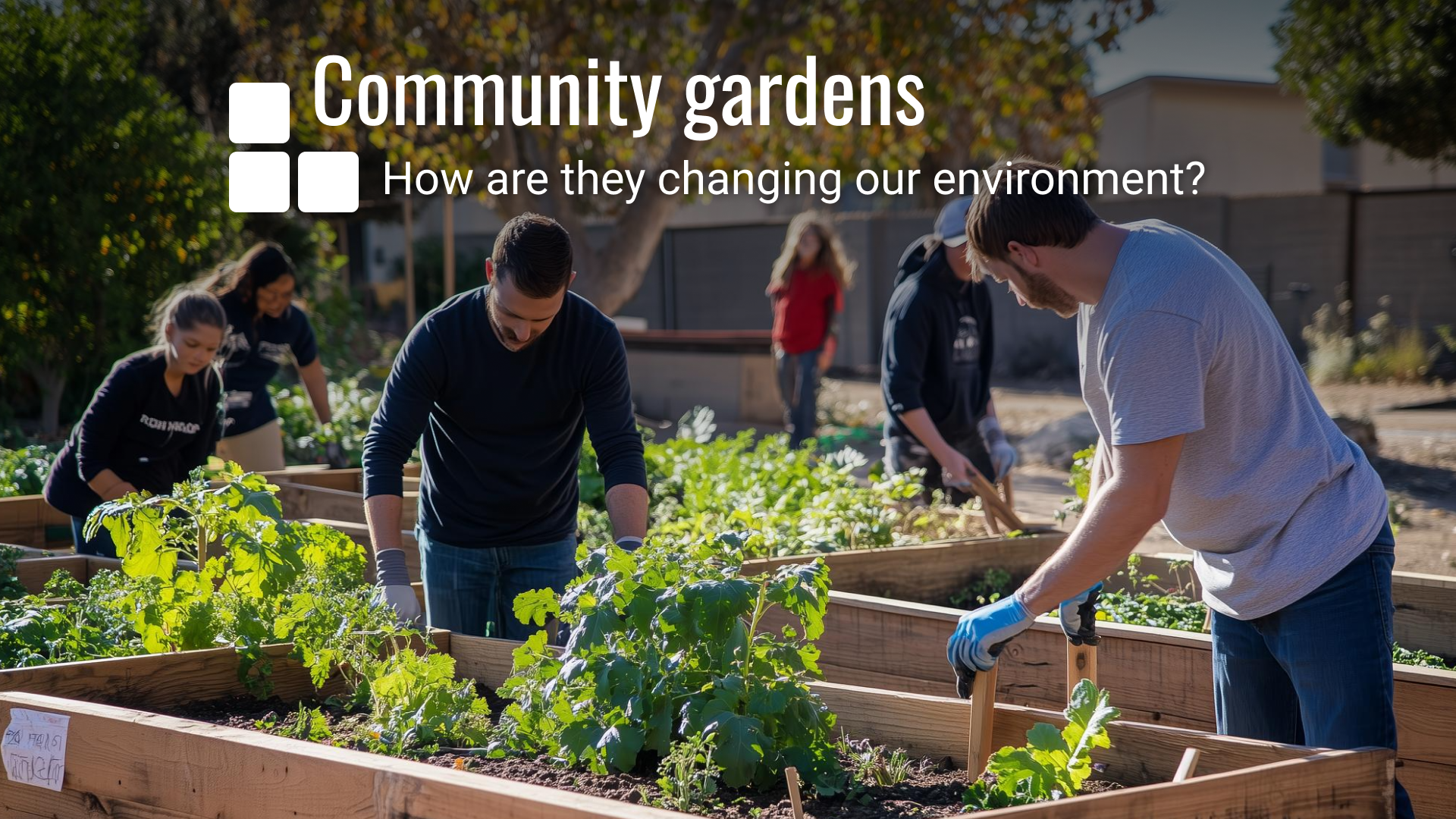
According to The Federation of City Farms and Community Gardens, there are already more than 3,000 community gardens in the UK alone, and the number is growing. What are community gardens and where can they be established? Why are they being established? The creation of such places is a way of bringing nature back into an increasingly urbanised urban space. Neighbourhoods with space to relax and grow their own crops help to build a greater bond between the local community, while also improving air quality. However, there are many more advantages.
What are community gardens?
Community gardens are public green spaces created and managed by local residents. Their main purpose is to grow plants together, integrate the community and provide environmental education. Gardens are often created on urban wastelands, abandoned plots of land or areas between buildings.
Initiators of the establishment of community gardens can be neighbourhood groups, NGOs or local public institutions. The gardens are used by all willing residents. Such places not only grow vegetables and flowers or shrubs, but often also organise workshops, cultural events and integration meetings.
What plants are suitable for community gardens?
A community garden can be divided into a leisure space and beds. In the recreation area, flowers (e.g. marigolds, sunflowers or lavender), decorative shrubs or trees can be planted. You can also place benches, chairs, tables or hammocks in this area. This will create a natural relaxation zone.
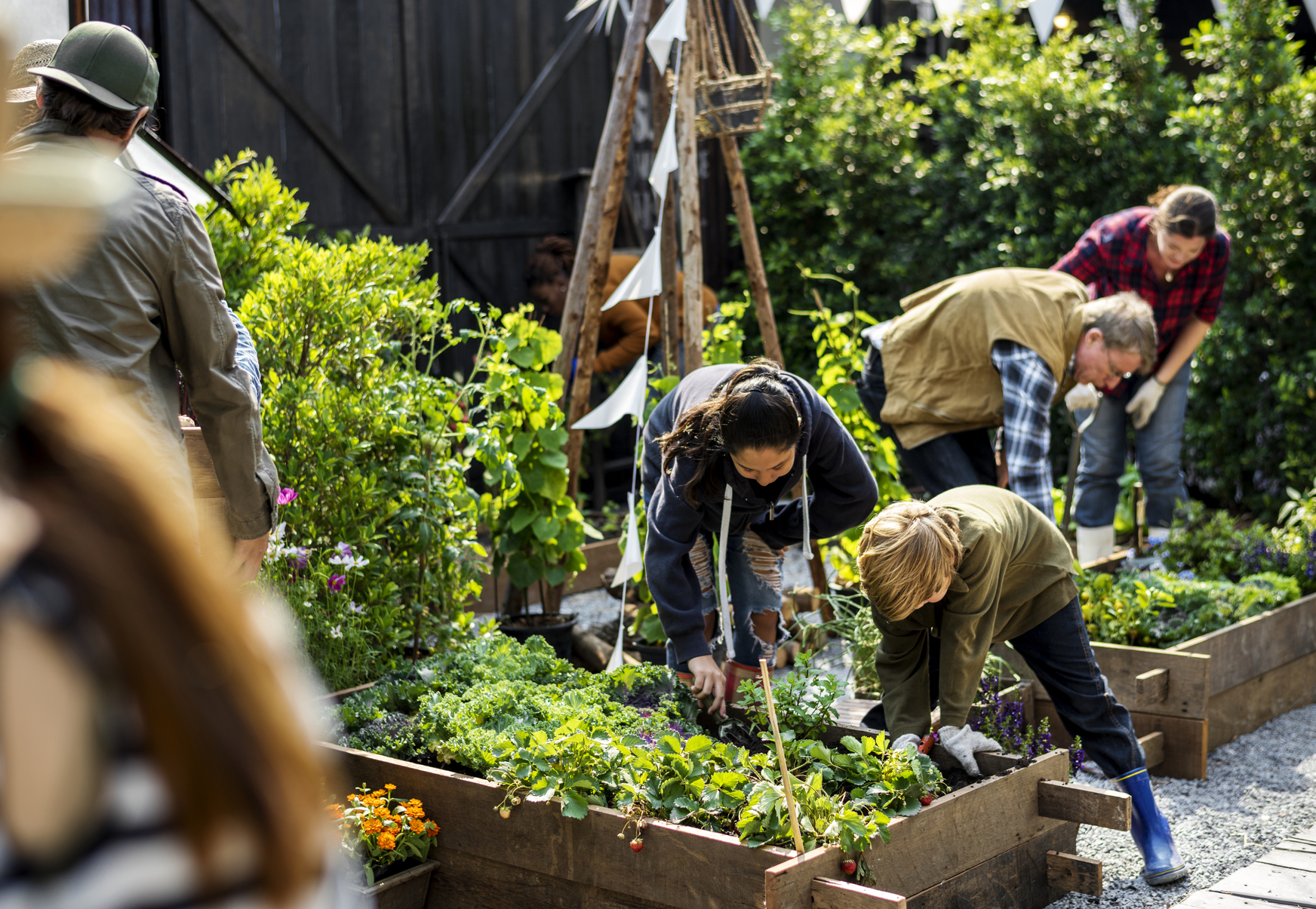
In the cultivation area, it is best to plant plants that do not need much to grow properly. Herbs in particular will be a good choice, such as basil, mint, thyme or parsley. Vegetables such as tomatoes, cucumbers, lettuce, carrots or courgettes are also worth growing. Some people choose to plant fruit plants such as strawberries, raspberries or currants.
What are community gardens for?
Above all, community gardens provide a place for integration. Neighbouring residents can meet, talk and relax, strengthening neighbourhood ties. They are also a great promotion of an ecological lifestyle. With the crops from the community gardens, you gain access to fresh, home-grown produce – without artificial additives. Transforming neglected areas into green spaces improves the aesthetics of the neighbourhood. Besides, vegetation in densely populated cities significantly improves air quality. And the garden can be put to good use by hosting workshops or other cultural events for the local community.
How much do community gardens cost?
Depending on the size of the area, creating a community garden costs between a few and several thousand pounds. Basic expenses include the purchase of gardening tools, seeds, seedlings, soil, building materials for the construction of beds, compost piles and irrigation systems. To minimise costs, it is worth seeking support. Local authorities or organisations often offer funding opportunities for this type of initiative. It is best to involve a housing association or volunteers in the work of making a community garden. This can avoid additional costs.
Urban Physic Garden – London shows that you can!
The Urban Physic Garden is a well-known community garden that was created in 2011 on a derelict site at 100 Union Street in the London Borough of Southwark. As well as herbs and medicinal plants, the garden features a café. The local community organises numerous lectures and events to promote awareness of plants and sustainability. The garden was created, thanks to the crates in which the plants were planted. It is a perfect example of the fact that this type of space can be created virtually anywhere.
Community gardens can help to combat the negative effects of urbanisation. In cities where there are fewer and fewer green spaces, such gardens offer many benefits – from healthy crops to space for relaxation or integration.