
Table of Contents
Climate change, growing populations and social inequalities are increasingly raising questions about the need to reform global food systems. The world’s largest food organisations collectively emphasise – there are currently around 733 million people in the world experiencing hunger. At the same time, there is a sharp increase in the number of obese people, pointing to the paradox of modern food systems. Perhaps this is the best time to consider sustainable solutions.
What are food systems?
Food systems are complex structures that encompass the entire process involved in producing, processing, distributing, consuming and disposing of food. They involve farmers, processing companies, retail chains and consumers. These systems operate on the basis of natural resources, technologies and regulations that influence how food reaches our tables.
Food systems also include international organisations and governments that regulate food quality and safety standards.
Problems arising from the current system
The current food system is mainly based on industrial production – efficiency at the expense of quality and environmental protection. Overexploitation of the soil, intensive agriculture and high use of chemical plant protection products result in the degradation of ecosystems and negatively affect human health.
In addition, agriculture is responsible for a third of global greenhouse gas emissions. The cause is not only the food system’s reliance on meat, but also highly processed foods. Not enough fruit and vegetables are produced. On the other hand, food is wasted on a large scale – it is estimated that one third of the food produced is wasted at various stages of the supply chain.
The deforestation of green spaces, the high costs associated with industrial agriculture, the over-reliance on global distribution networks and the lack of access to healthy food in many parts of the world make the current system unsustainable and in need of reform.
What is a sustainable food system?
A sustainable food system is a model of food production and consumption that ensures access to food in a way that is environmentally friendly and beneficial to human health. The key elements of such a system are reducing the use of chemicals in agriculture, promoting local suppliers and diversifying crops. The system involves reducing reliance on intensive animal husbandry in favour of crop production. This will reduce greenhouse gas emissions.
Sustainable food systems also take into account fair trade and fair remuneration for farmers and reduce waste through better supply chain management.
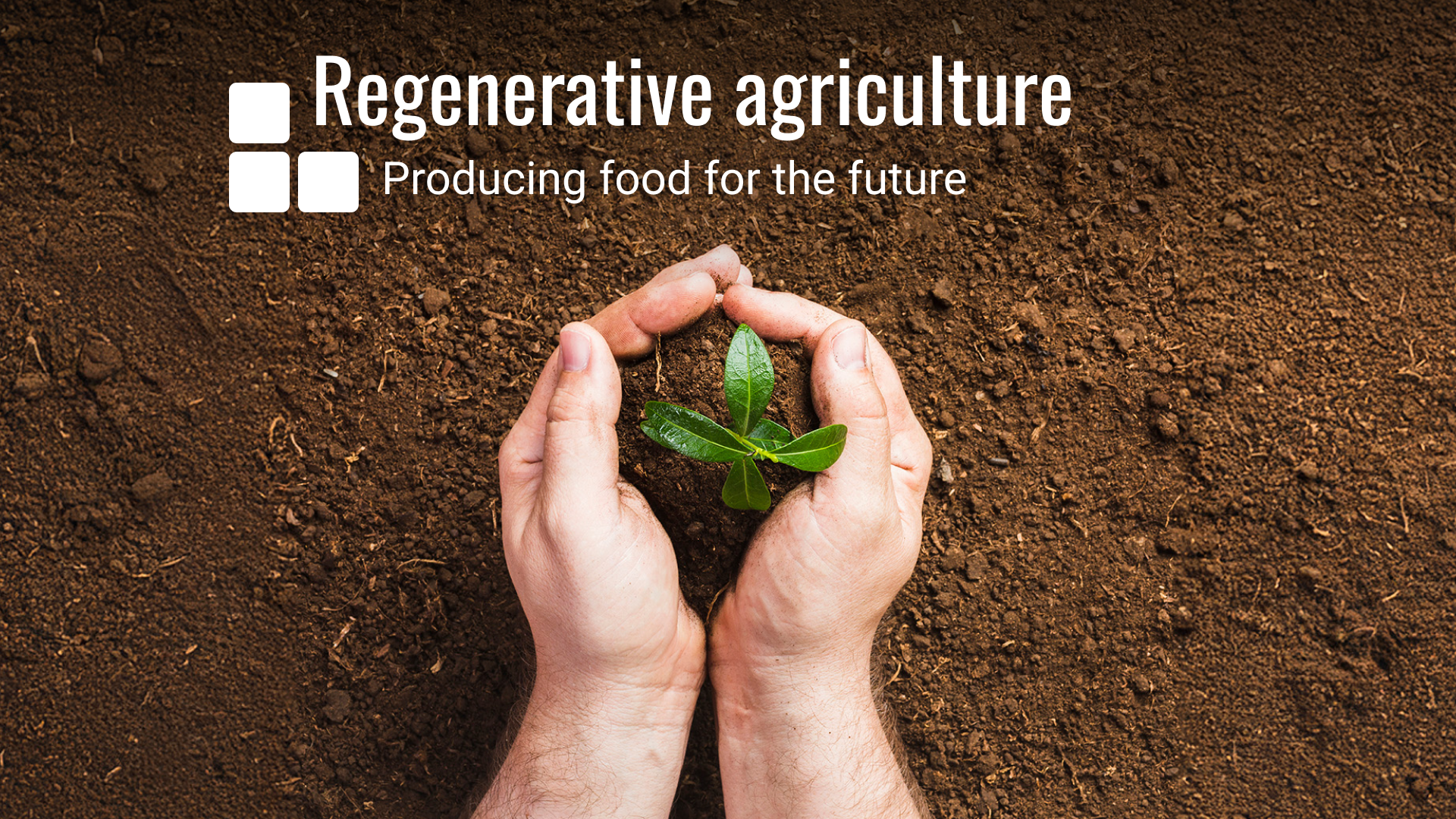
A way to achieve most of these goals is to bet on innovative harvesting methods, such as regenerative agriculture.
Can current trends be reversed?
If current food systems are not changed, the predictions for the future are worrying. Climate change, a growing population and depletion of natural resources could lead to an even greater food crisis, a collapse of the medical sector and a worsening hunger problem.
Only the implementation of policies that support organic farming, consumer education and the reduction of waste can improve the situation.
Who is responsible for implementing food safety management systems?
Both national governments and international organisations such as the WHO, FAO and UNICEF are responsible for implementing changes to food systems. Their role is to set food safety standards, monitor product quality and implement strategies to reduce hunger.
The transition to a sustainable food system requires cooperation at several levels. Many actions can be initiated by farmers, betting on organic farming methods.