
Table of Contents
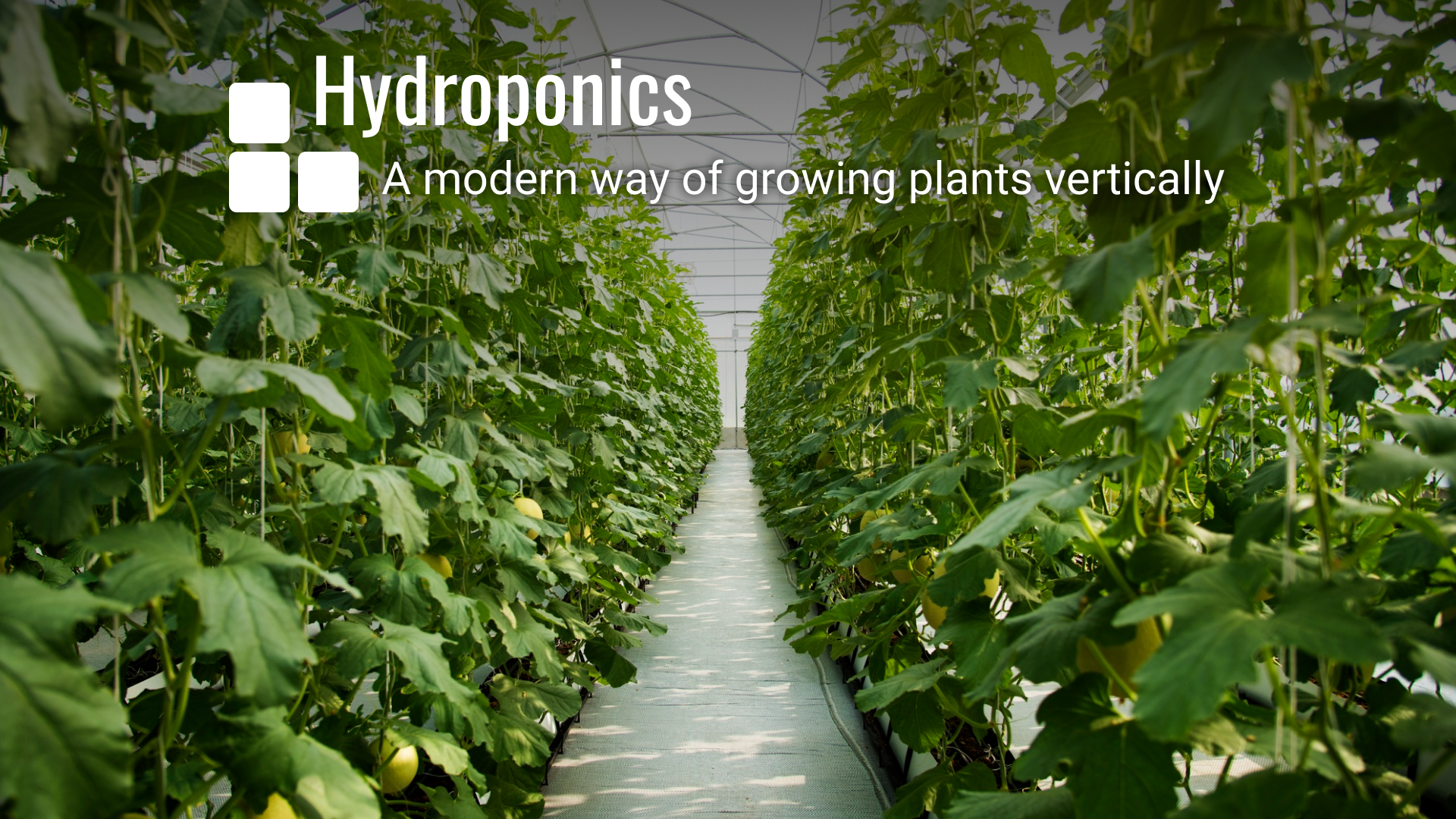
Increasing urbanisation means that, in many places, plants are deprived of access to the soil, so that they cannot obtain the nutrients they need for photosynthesis from it. However, this does not mean that growing plants in cities is impossible. Thanks to modern technology, farmers can grow fruit, vegetables and herbs in conditions where a traditional farm cannot be established. Urban Farming, or sustainable urban agriculture, is mainly based on vertical farms, or hydroponic farming.
What is hydroponics?
Hydroponics is a method of growing plants without using an organic substrate, i.e. soil. It turns out that soil is not necessary. It is enough to provide plants with an alternative means of supplying water or oxygen. On hydroponic farms, the roots of the plants are surrounded by pellets constantly soaked in an aqueous solution containing all the necessary nutrients.
Hydroponic growing is becoming increasingly popular, especially in urban areas where space for traditional agriculture is limited.
Advantages of hydroponic plant cultivation
Much less water is needed for hydroponic cultivation than for traditional agriculture because the nutrient solution used can be reused many times. Consumption can be reduced by up to 95%.
In addition, the lack of soil eliminates the risk of disease or pest damage to the roots. This method allows cultivation anywhere at any time of the year – even in city centres. By combining hydroponics with vertical cultivation, plants can be grown even in relatively small spaces.
Hydroponic cultivation is also fully organic. Plants do not need GMOs, so vegetables or fruit grown this way will be a healthy choice.
It is worth remembering that plants can be grown in closed container cultures. This makes the crops independent of external conditions – drought or excessive rainfall will not affect the quality of the harvest. The sterile, enclosed space means that the harvest is usually more impressive.
What is needed for vertical cultivation?
Hydroponic vertical growing requires appropriate structures and the use of pots or containers. Hydroponic farms are usually specialised containers equipped with modular racks to optimise the use of space. Some companies offer access to modern hydroponic technology. They create farm buildings complete with equipment.
An important element of such a farm is a properly installed nutrient supply system. It should provide the plant roots with constant access to nutrient water.
To this end, it is essential to have the know-how. Plant roots must be checked regularly. Knowledge and experience are also needed to operate the equipment.
Which plants to choose for hydroponic growing?
Hydroponics allows you to grow many plants, but some species are particularly well suited to this method. These are mainly leafy vegetables such as lettuce, rocket or spinach, which grow quickly and require little space.
Herbs, especially basil, parsley or coriander, also do well in hydroponic systems.
In addition, strawberries, tomatoes, cucumbers or peppers and even ornamental plants can be grown.
Hydroponic farm – for whom?
Individuals can grow fresh vegetables and herbs all year round with their own hydroponic systems at home.
Hydroponic technologies can increase yields with less water, so they will be a good option for local farmers, especially urban ones.
Hydroponic farms can also be used by restaurateurs. In this way, they will provide their customers with fresh, local produce of the highest quality.
In conclusion, hydroponic farms allow plants to be grown without an organic substrate. This technology can be used to develop urban agriculture. It is an organic, healthy way of growing both vegetables and fruit or herbs.