
Table of Contents
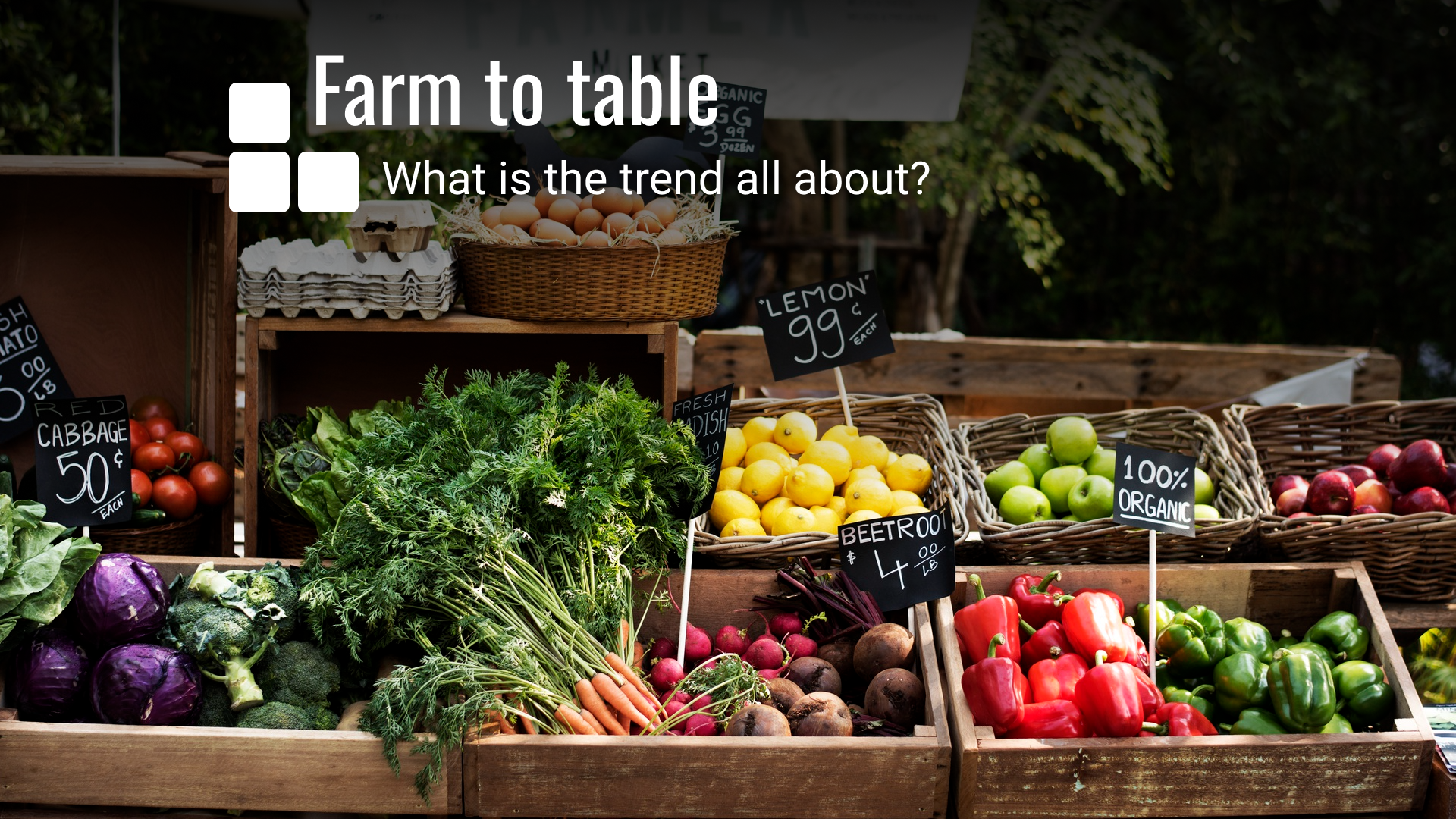
Fresh, seasonal produce straight from local farms served straight to your plate – this is the farm to table idea that is gaining popularity in the UK and beyond. Due to greater environmental awareness and a desire to support local suppliers, many restaurants are choosing to shorten the route food takes before it reaches guests‘ tables. But does this trend only apply to restaurants? Or can it also be implemented in the home kitchen? Let’s find out what farm to table means and how the concept works.
What is farm to table?
Farm to table is a movement promoting the direct delivery of food from local suppliers to consumers. The concept has gained popularity because of the growing interest in local produce. It is a reaction to the globalisation of the food industry. The aim of farm to table is to shorten the supply chain, which translates into fresher produce, support for local farmers and a reduction in the carbon footprint associated with transporting food.
Farm to table restaurant – how does it work?
Restaurants operating according to the farm to table philosophy establish direct cooperation with farmers, growers and food producers. This allows them to offer dishes prepared with fresh, seasonal ingredients from local farms. It is important that these are farms with organic food, free of harmful sprays, GMOs or unnatural fertilisers.
Such an operating model requires careful menu planning, which should be regularly adjusted according to the availability of produce at a particular time of the year. It is also important to take care of logistics and timely delivery. For this reason, farm-to-table restaurants are often located close to agricultural areas or urban farms where farmers grow crops using the hydroponic method. Such partnerships allow for the rapid delivery of fresh produce and minimise the time between harvesting and serving the dish to the table.
Benefits of serving food straight from the farm
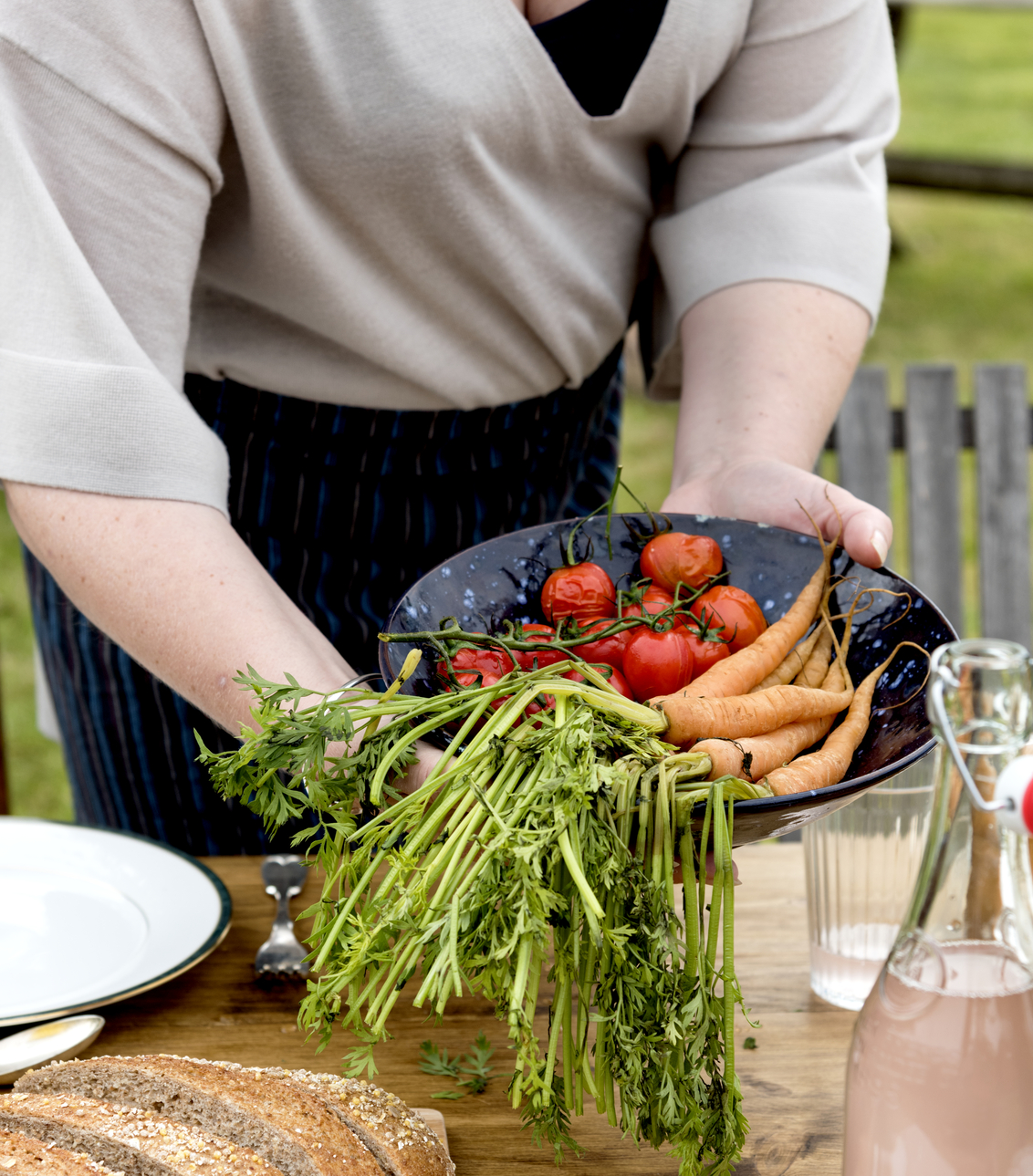
A farm to table restaurant means access to higher quality food, full of natural flavour and nutritional value. Fresh, local ingredients are superior to those imported from faraway places. Restaurant owners gain from the uniqueness of the offer, and this can attract informed consumers looking for places to eat deliciously and healthily. In addition, cooperation with local suppliers can lead to better trading conditions and price stability. For local farmers and producers, such a cooperation model represents a steady source of income and an opportunity to promote their products.
Farm to table London – examples of restaurants
In London, the farm to table concept is growing in popularity and the number of restaurants practising this model is steadily increasing. Currently, fresh food deliveries directly from local farmers are used by restaurants such as:
- Orasay: a pub in Notting Hill, inspired by the Scottish Outer Hebrides, offering dishes made from local, seasonal ingredients,
- Kitchen Table: a restaurant tucked behind Bubbledogs on Charlotte Street, offering a 12-14 course tasting menu that changes daily depending on the availability of fresh produce from suppliers,
- The Dairy: located on Clapham Common, it combines a cosy atmosphere with dishes based on local ingredients sourced directly from producers.
To find more places like this in the UK, use booking platforms such as OpenTable. Farm to table restaurant owners should remember to brand their pubs with the slogan ‘farm to table’ on such platforms.

Can this concept be applied in homes?
The farm to table philosophy can be successfully implemented in the home kitchen. All you need to do is buy food directly from local farmers on a daily basis, for example through farmers’ markets or local markets.
The popularity of farm to table among restaurateurs and individuals should grow. The concept supports the local economy, provides access to high-quality products and contributes to sustainable agriculture.